New Patients
(301) 259-3750
Existing Patients
(301) 333-9000


Every parent wants healthy teeth and a positive relationship with dental care for their child. Regular exams and professional cleanings are the foundation of that outcome: they prevent small problems from becoming bigger ones, help children feel at ease in the dental setting, and give families clear guidance on daily habits that support long-term oral health. At Omni Smiles Pediatric Dentistry, our approach is gentle, educational, and designed to fit the unique pace of each child.
The very first dental appointment sets the tone for future visits. We focus on creating a calm, kid-friendly experience that introduces young patients to the dental office gradually—showing instruments, explaining simple steps in child-friendly language, and encouraging parents to be present when helpful. When children leave a visit feeling safe and understood, they’re far more likely to cooperate and carry positive feelings about oral care into adulthood.
We also use early visits to observe how a child responds to different sensations and to identify any immediate concerns. Rather than rushing through a checklist, our team builds trust through gentle communication and age-appropriate interaction. This early rapport makes it easier to perform necessary preventive care and helps reduce anxiety for future treatments.
For caregivers, the first appointment is an opportunity to ask targeted questions about teething, pacifier use, thumb-sucking, and the best ways to encourage daily brushing and flossing. These practical conversations are as important as the clinical exam: when parents understand both the “why” and the “how,” they can reinforce healthy routines at home with confidence.
Routine dental visits give clinicians a chance to monitor growth and catch emerging issues early. Professional organizations commonly recommend dental checkups every six months for most children because that interval balances timely detection of problems with practical scheduling. Twice-yearly exams and cleanings are an effective rhythm for preventing cavities, evaluating bite development, and reinforcing good habits.
That said, every child is unique. Some children may benefit from more frequent visits if they have elevated cavity risk, orthodontic concerns, special health needs, or a history of dental trauma. During each visit our team evaluates risk factors and may adjust the recommended recall schedule so that preventive care is both personalized and proactive.
Parents should watch for signs that warrant earlier appointments—complaints of tooth pain, visible changes in a tooth or the gums, or injuries to the mouth. When concerns arise, prompt assessment helps resolve issues sooner and can prevent more complex treatment later.
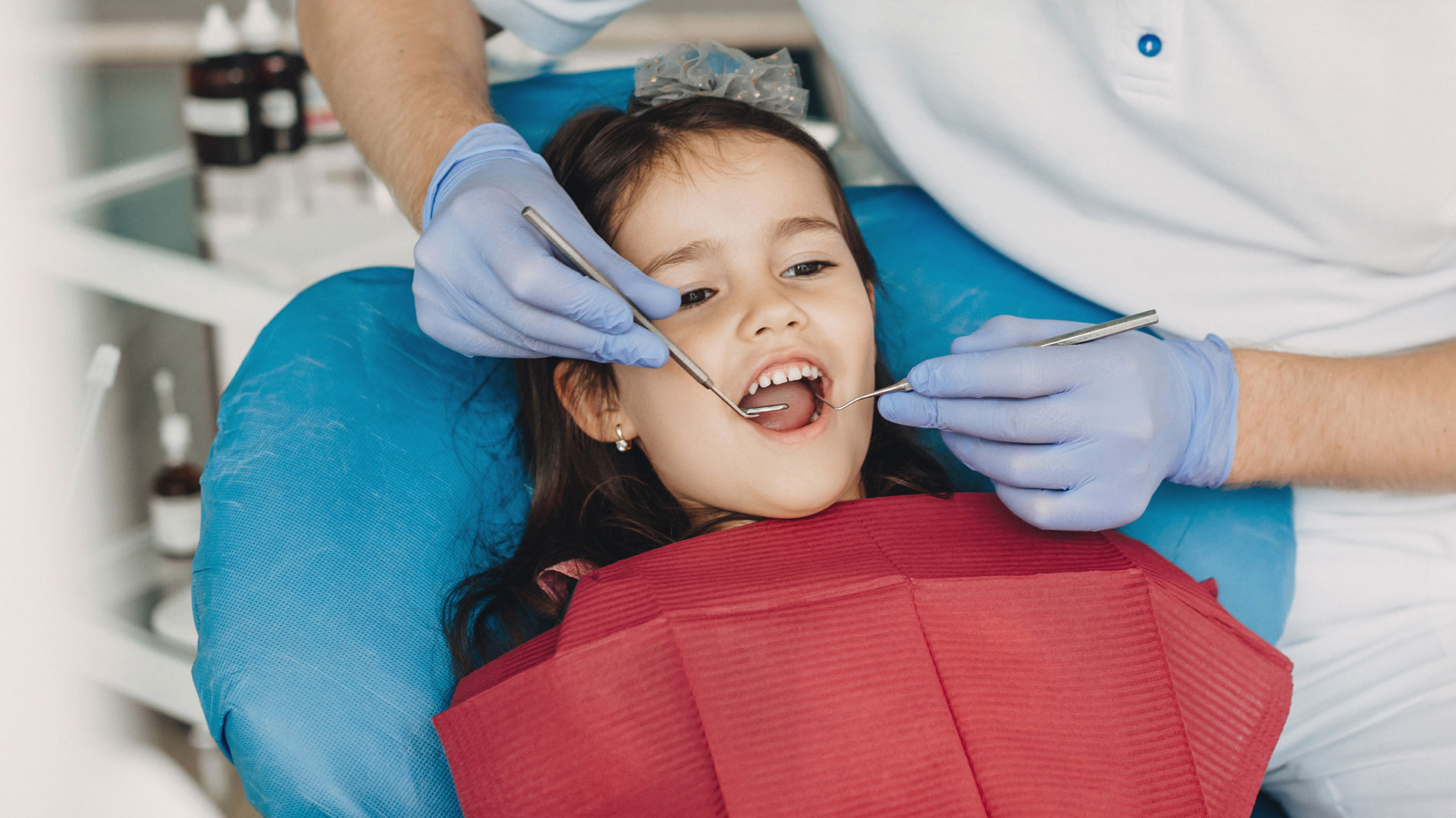
A pediatric dental exam is thorough but tailored to a child’s age and comfort level. We begin by reviewing medical and dental history and asking about any feeding, sleeping, or breathing behaviors that can affect oral development. The clinical portion includes a careful inspection of teeth, gums, tongue, soft tissues, and the way the jaws fit together.
Exams often include evaluation of eruption patterns—how primary and permanent teeth are coming in—and assessment of jaw growth and bite relationships. When indicated, we may recommend digital imaging to get a clearer picture of unerupted teeth, the position of developing roots, or areas that aren’t visible to the eye. Imaging is used judiciously and only when it will meaningfully influence diagnosis or care.
Beyond identifying current issues, the exam is a forward-looking visit. We check for early signs of decay, abnormal wear, trauma, or habits that could affect dental development, and then discuss findings with caregivers in plain language. This diagnostic conversation outlines any next steps and gives families practical guidance they can implement right away.
Professional cleanings remove plaque and debris from places a toothbrush may miss, especially between teeth and along the gumline. Our hygienists use gentle, child-appropriate techniques to polish teeth and clear hardened deposits while keeping the experience calm and tolerable for sensitive patients. We focus on making the process quick, effective, and as comfortable as possible.
Cleaning visits are also educational opportunities. Hygienists provide hands-on instruction for brushing and flossing that matches a child’s developmental stage, demonstrating tools and motions caregivers can replicate at home. We discuss small, achievable changes in daily routines that produce measurable improvements in oral health over time.
When clinically appropriate, we may recommend protective measures such as topical fluoride applications and dental sealants to help lower the risk of cavities. These preventive treatments are offered on an individualized basis and explained thoroughly so families can weigh the benefits as part of a broader care plan.
Modern pediatric dentistry combines observation and intervention. Alongside careful exams and cleanings, we use targeted tools to safeguard developing teeth: fluoride to strengthen enamel, sealants to shield chewing surfaces, and monitoring protocols that detect changes in bite or tooth position early. These tools are part of a layered prevention strategy designed to minimize the need for restorative care later on.
Behavioral guidance is another key component. We coach parents on age-appropriate oral hygiene techniques, sensible snacking and beverage choices, and strategies to discourage harmful habits. Small, consistent changes—like supervised brushing and limiting sugary drinks—have outsized effects on cavity prevention and overall oral development.
When we identify emerging problems—whether early decay, injury, or orthodontic concerns—we prioritize conservative, minimally invasive approaches whenever possible. Early intervention is often simpler and more predictable than waiting for problems to progress, and our team emphasizes solutions that preserve tooth structure and support a child’s comfort.
In short, regular exams and professional cleanings create a roadmap for healthy growth, teach children and families practical habits, and give clinicians the tools to prevent or address issues early. If you’d like to learn more about our approach to pediatric exams and cleanings, please contact us for additional information or to schedule a visit.
A pediatric dental exam is a careful, age-appropriate evaluation of a child’s oral health that covers more than just the teeth. The clinician reviews medical and dental history, observes feeding and breathing behaviors that can affect development, and inspects the teeth, gums, tongue, and other soft tissues for signs of decay, trauma, or unusual growth. The exam also assesses eruption patterns and how the jaws and bite are developing to identify any early orthodontic concerns.
When needed, the dentist may recommend diagnostic imaging to view areas not visible during the clinical exam; imaging is used selectively and only when it will affect diagnosis or treatment planning. After the assessment the practitioner explains findings in plain language, describes any recommended next steps, and outlines home care strategies parents can implement right away to support their child’s oral health.
Most professional organizations recommend routine dental checkups every six months for children because this schedule balances timely detection of problems with practical follow-up. Twice-yearly visits allow clinicians to monitor growth, catch early signs of decay, reinforce preventive habits, and apply treatments like fluoride or sealants when appropriate. Regular visits also give the dental team opportunities to track changes in bite relationships and tooth eruption as your child grows.
That schedule is a general guideline and may be adjusted based on individual risk factors such as cavity history, special health needs, orthodontic concerns, or recent dental trauma. During each appointment the team evaluates risk and may recommend a customized recall interval so preventive care remains proactive and tailored to the child’s needs.
First visits focus on building trust through gentle, child-centered communication rather than completing an extensive checklist all at once. At Omni Smiles Pediatric Dentistry we introduce instruments slowly, explain each step in simple language, and encourage parents to be present if that helps the child feel secure; these techniques reduce anxiety and create a positive association with dental care. The team observes a child’s responses to different sensations and adapts the pace so the appointment is reassuring and confidence-building.
Caregivers are also invited to ask practical questions about teething, pacifier and thumb-sucking habits, and the best ways to encourage daily brushing and flossing at home. This combination of clinical observation and caregiver education helps families leave with clear, actionable guidance to support healthy habits between visits.
A professional cleaning removes plaque and debris from areas a toothbrush may miss, focusing on the gumline and between teeth where buildup commonly occurs. Hygienists use gentle, child-appropriate techniques to scale and polish teeth while keeping the experience quick and comfortable for young patients. Cleanings also include assessment of gum health and reinforcement of proper brushing and flossing techniques tailored to a child’s motor skills and developmental stage.
Hygienists use the visit as an educational opportunity, demonstrating motions and tools parents can replicate at home and suggesting small, achievable changes to daily routines. When clinically indicated, hygienists or dentists will discuss preventive adjuncts such as topical fluoride or dental sealants to further reduce cavity risk and protect chewing surfaces.
Dental X-rays are recommended selectively based on a child’s individual needs and the findings from the clinical exam; they are not used routinely at every visit. X-rays can reveal decay between teeth, the position of unerupted teeth, root development, and other conditions that cannot be seen during a visual exam, and clinicians order them only when the additional information will influence diagnosis or treatment. Modern pediatric practices use focused, low-dose imaging and protective measures to minimize radiation exposure.
The decision to take X-rays considers age, cavity risk, growth concerns, and symptoms such as unexplained tooth pain or injury. The dental team will explain the reason for imaging, how it will help guide care, and any safety measures used so parents can make informed decisions about their child’s diagnostic needs.
Topical fluoride strengthens enamel by helping rebuild minerals that acids from bacteria remove, which lowers the chance that a small lesion will progress to a cavity. Fluoride treatments are quick applications performed during a cleaning visit and are recommended based on a child’s individual caries risk and exposure to fluoride from other sources. Dental sealants are thin protective coatings applied to the grooves of molars and premolars to prevent food and bacteria from collecting in hard-to-clean fissures.
Both fluoride and sealants are preventive tools used selectively as part of a layered strategy to reduce future restorative needs; the dental team explains the expected benefits and clinical indications so families understand why a particular treatment is recommended. These measures are most effective when combined with consistent home care and sensible dietary choices that limit frequent exposure to sugary snacks and beverages.
Cavity risk assessment considers factors such as past history of decay, dietary habits, fluoride exposure, oral hygiene routines, developmental stage, and any medical conditions that affect oral health. During each visit clinicians review these risk factors, examine the mouth for early signs of disease, and may use diagnostic tools or charts to quantify risk and guide preventive recommendations. This individualized approach allows the dental team to move beyond a one-size-fits-all schedule and to target interventions where they will have the greatest impact.
Based on the assessment, the team will recommend an appropriate recall interval—often six months for routine care but more frequent if elevated risk is identified—and will describe specific strategies families can adopt at home to lower risk. Regular reassessment ensures that recall timing and preventive plans evolve as a child grows and their needs change.
Parents should supervise or assist with brushing until a child masters proper technique and has the manual dexterity to brush effectively on their own, typically around ages 6 to 8. Use fluoride toothpaste in an age-appropriate amount, encourage daily brushing twice a day and flossing once teeth touch, and make oral hygiene a consistent, positive routine that fits into mealtimes and bedtime rituals. Limiting sugary snacks and drinks, offering water between meals, and choosing tooth-friendly snacks also help reduce cavity risk.
Caregivers should watch for signs that require earlier attention—persistent tooth pain, visible changes in a tooth or the gums, or trauma to the mouth—and contact the dental office when concerns arise. Regular communication with the dental team about developmental milestones, habits like thumb-sucking, and any health changes ensures home care and professional care remain aligned and effective.
Schedule an earlier appointment if your child complains of tooth pain, if you notice swelling, discoloration, or a broken tooth, or if there has been any trauma to the mouth that could affect teeth or jaw structures. Early assessment allows the dental team to identify and treat problems before they worsen, potentially avoiding more invasive procedures later. Other signs warranting prompt attention include persistent bleeding gums, unexplained sores, or changes in eating, sleeping, or breathing patterns that may impact oral development.
When in doubt, contact the dental office and describe the symptoms; the team will advise whether the situation requires immediate evaluation or whether it can wait until the next scheduled visit. Prompt communication and timely exams help preserve tooth structure and support better long-term outcomes for a child’s smile.
Omni Smiles Pediatric Dentistry's team uses tailored strategies to make exams and cleanings accessible and calming for children with special health care needs or significant dental anxiety. Approaches may include extended appointment times, gradual desensitization visits to build familiarity with the office environment, the use of behavioral techniques and clear, age-appropriate explanations, and collaboration with caregivers to identify calming cues or preferred communication methods. When appropriate, the team coordinates care with other healthcare providers to address medical or developmental considerations during dental treatment.
If a child’s anxiety or special needs require additional support, the dental team discusses options in advance and develops a personalized plan focused on comfort, safety, and the least invasive path to necessary care. This individualized preparation helps ensure that preventive visits remain productive and that children receive the oral healthcare they need in a respectful, supportive setting.