New Patients
(301) 259-3750
Existing Patients
(301) 333-9000


Fluoride plays a distinct role during childhood because developing teeth are more vulnerable to decay yet highly responsive to preventive care. When enamel is forming, fluoride helps strengthen that outer layer so it can better resist the acids produced by plaque bacteria and sugar. For parents and clinicians alike, fluoride is one of the most evidence-based tools we have to reduce the risk of cavities over time.
In practical terms, incorporating fluoride into a child’s preventive plan supports long-term oral health without requiring invasive procedures. It’s most effective when combined with routine dental exams, cleanings, and consistent at-home brushing and flossing. By reinforcing enamel early, we set up children to enter adolescence with a stronger defensive barrier against decay.
At our office, fluoride is part of a broader strategy that emphasizes prevention and minimal intervention. That approach prioritizes comfort and positive dental experiences while working to keep restorative needs to a minimum as permanent teeth come in.
Topical fluoride acts at the surface level: it interacts with early mineral loss in enamel and facilitates a process called remineralization. Tiny mineral crystals that have been weakened by acid attack can re-form in the presence of fluoride, making enamel denser and more resistant to future acid challenges. This is a gradual, ongoing protective effect rather than an instant “fix.”
Different topical formulations—varnishes, gels, foams and rinses—deliver fluoride in slightly different ways, but they share the same goal of maximizing the amount of fluoride available at the enamel surface for absorption. Professional-strength applications used in the dental office contain higher concentrations than those in everyday toothpaste, which is why periodic in-office treatments can provide a meaningful boost to home care.
It’s also important to view topical fluoride as part of a layered defense. Fluoride strengthens enamel, but other measures such as proper brushing, limiting sugary snacks, and timely dental sealants for grooves and pits complete the picture of cavity prevention.
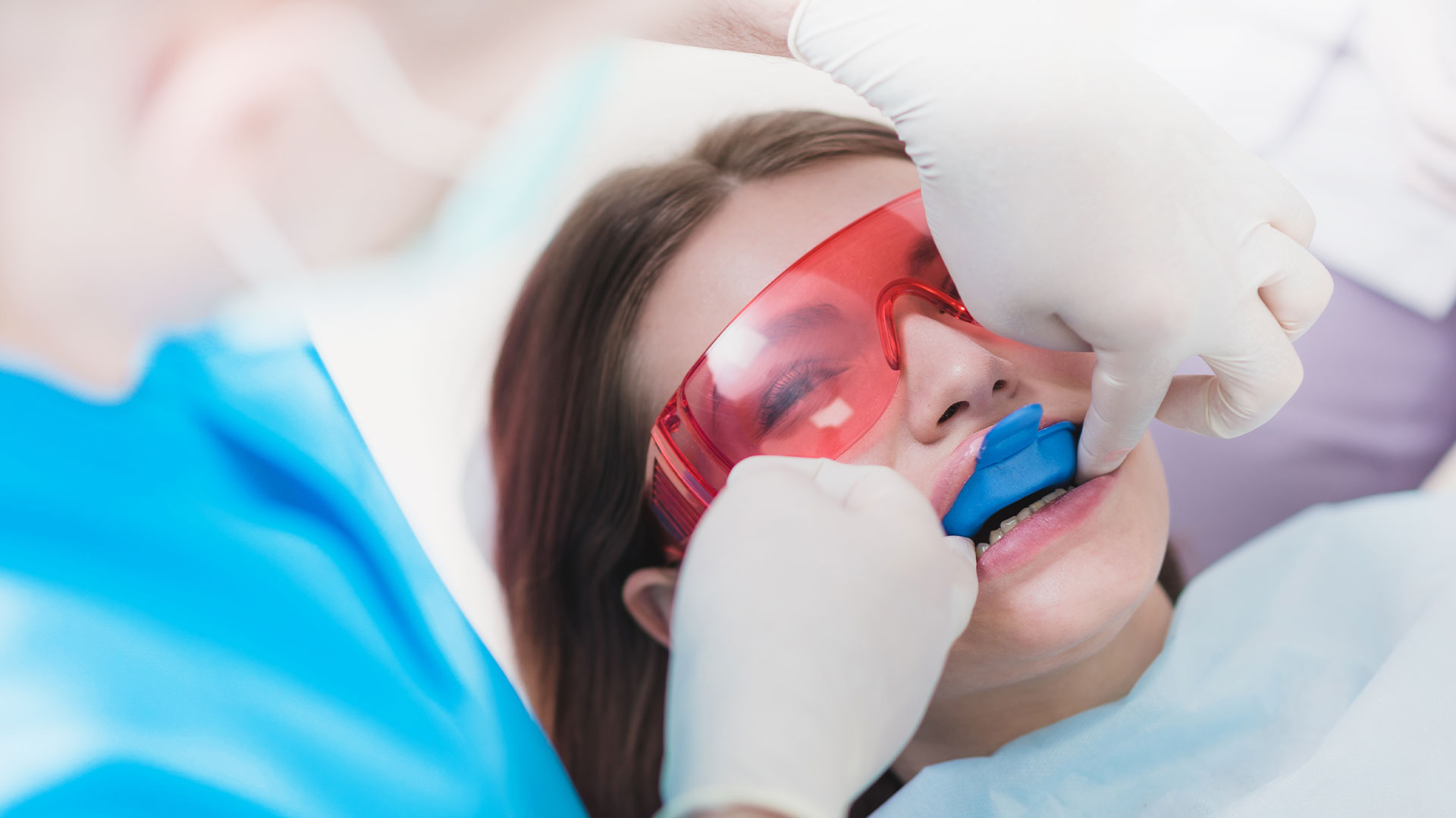
A professional fluoride application is quick, comfortable, and designed with kids in mind. After a routine cleaning and exam, the dental team will select the best fluoride form for your child—commonly a varnish that is painted onto the teeth or a tray-based gel/foam placed briefly in the mouth. The entire process typically takes only a few minutes and requires no needles or drilling.
Children often find varnish the easiest to tolerate because it sets quickly and doesn’t require active rinsing or suction. For older children who can follow instructions, tray applications may be used. After the application, we typically recommend avoiding certain foods and brushing for a short period so the fluoride can remain in contact with enamel for optimal uptake.
The frequency of professional applications depends on individual risk. Patients with a history of cavities or other risk factors may benefit from more frequent visits; lower-risk children may need only routine applications at regular checkups. Your dental team will tailor recommendations based on a careful assessment of your child’s needs.
Silver diamine fluoride (SDF) is a highly concentrated topical solution that both arrests active decay and helps reduce sensitivity. It’s especially useful for very young children, patients with special health care needs, or anyone who cannot tolerate traditional restorations. Because SDF is applied as a liquid and requires no drilling, it can be a valuable option for controlling disease progression while preserving tooth structure.
One important clinical consideration with SDF is that it typically darkens the decayed area as it arrests the lesion. That visual change is a predictable outcome and is discussed with families before treatment so parents know what to expect. When aesthetics are a concern, clinicians will review alternatives and plan follow-up care accordingly.
SDF complements the same preventive framework used for other fluoride therapies: it is not a standalone solution. Following application, ongoing oral hygiene, dietary management, and regular dental monitoring remain essential to protect surrounding tooth surfaces and to plan any future restorative work if needed.
Fluoride-containing toothpaste and, when appropriate, professionally recommended rinses or gels extend the protective effect between dental visits. Routine use of a fluoride toothpaste is a foundational habit—brushing twice daily with the recommended amount helps keep enamel exposed to low-level fluoride continuously, which supports remineralization after acid attacks from food and bacteria.
For very young children, pediatric guidelines suggest using a small, age-appropriate smear of fluoride toothpaste and supervising brushing to minimize swallowing. Between about ages 3 and 6, a pea-sized amount is commonly advised, along with parental oversight. Your dentist will provide specific guidance tailored to your child’s age, developmental stage, and individual risk profile.
Diet and daily routines matter as much as the products chosen. Limiting frequent snacking on sugary items, encouraging water between meals, and maintaining consistent brushing and flossing all amplify the benefits of fluoride. When home care and professional applications work together, the result is a far stronger defense against cavities.
In summary, fluoride treatments are a safe, effective, and flexible component of pediatric dental care that help protect enamel during the most vulnerable years of tooth development. From periodic in-office varnishes to targeted options like silver diamine fluoride, these therapies support a prevention-first approach that keeps kids comfortable and preserves healthy tooth structure. If you’d like to learn how fluoride fits into your child’s personalized care plan, please contact Omni Smiles Pediatric Dentistry or our office team for more information.
Fluoride is a naturally occurring mineral that helps strengthen tooth enamel and reduce the risk of cavities, which is especially important while a child's teeth are developing. It becomes incorporated into the outer layer of teeth, making enamel more resistant to acid produced by plaque bacteria and dietary sugars. Because developing teeth are more vulnerable to decay, fluoride is a cornerstone of pediatric preventive care backed by extensive clinical research.
Used alongside regular dental exams, cleanings, and consistent at‑home brushing and flossing, fluoride supports long‑term oral health without invasive treatment. Early reinforcement of enamel gives children a stronger defense as permanent teeth erupt, helping to minimize future restorative needs.
Topical fluoride works at the tooth surface by promoting remineralization, the process that helps rebuild tiny mineral crystals lost during early acid attacks. Fluoride encourages those weakened areas to regain minerals and form denser, more acid‑resistant enamel over time. This protective effect is gradual and cumulative rather than an immediate cure for established decay.
Different professional formulations—varnishes, gels, foams and rinses—deliver fluoride in varying ways but share the goal of maximizing fluoride availability at the enamel surface. Professional treatments use higher concentrations than everyday toothpaste, giving a meaningful boost to a child's routine home care.
An in‑office fluoride application is quick, comfortable, and designed with children in mind, typically following a routine cleaning and exam. The dental team will choose the most appropriate form—often a varnish painted onto the teeth or a short tray application of gel or foam—and the process usually takes only a few minutes without needles or drilling. Children often tolerate varnish well because it sets quickly and requires minimal cooperation, while older kids who can follow instructions may receive tray applications.
After the application, clinicians usually recommend a short period of no eating or brushing so the fluoride can remain in contact with enamel for optimal uptake. The dental team at the office of Omni Smiles Pediatric Dentistry will explain aftercare instructions and tailor recommendations to your child’s age and risk profile.
Frequency of professional fluoride applications depends on each child's individual risk of decay, which the dental team assesses during regular checkups. Children with a history of cavities, special health care needs, or other risk factors may benefit from more frequent visits, while lower‑risk patients often receive fluoride at routine six‑month cleanings. The goal is to personalize the interval so fluoride provides consistent protection when teeth are most vulnerable.
Your dentist will consider oral hygiene habits, diet, fluoride exposure at home, and clinical findings when recommending the best schedule. Periodic reassessment ensures the plan evolves as your child grows and their risk factors change.
When used appropriately, fluoride is safe and effective for children; recommended application methods and amounts are designed to minimize risk. The most common mild effect following a professional topical application is temporary tooth discoloration on plaque or food debris, which resolves with routine hygiene. Severe reactions are rare, and clinicians take care to use age‑appropriate techniques and dosages to prevent excessive ingestion.
Parents should follow guidance on toothpaste amounts—an age‑appropriate smear for infants and a pea‑sized amount for children roughly ages 3 to 6—and supervise brushing to minimize swallowing. If you have concerns about systemic exposure or your child's medical history, discuss them with your dentist so recommendations can be tailored safely.
Silver diamine fluoride (SDF) is a highly concentrated topical solution used to arrest active decay and reduce sensitivity without drilling, making it valuable for very young children, patients with special health care needs, or those who cannot tolerate traditional restorations. SDF stops the progression of many cavities and can be applied quickly in a minimally invasive manner while preserving remaining tooth structure. It is often used as part of a broader treatment plan rather than as a permanent cosmetic restoration.
One predictable outcome of SDF is darkening of the treated decay, so clinicians discuss aesthetic implications with families before treatment. When appearance is a concern, the dental team will review alternatives and plan follow‑up restorative care if and when appropriate.
Daily use of fluoride toothpaste is foundational: brushing twice a day with an age‑appropriate amount provides low‑level exposure that supports continuous remineralization between dental visits. For infants, a rice‑grain smear is recommended; for children from about 3 to 6 years old, a pea‑sized amount is typical, with parental supervision to limit swallowing. Fluoride rinses or gels may be recommended for older children who can spit reliably and who have elevated caries risk.
Consistency matters as much as product choice, so parents should pair fluoride use with proper brushing technique, flossing when indicated, limiting frequent sugary snacks, and encouraging water between meals. Your dentist will advise on the best combination of home products based on your child’s age, development and risk factors.
Fluoride is a powerful protective agent but is most effective when used as part of a layered prevention strategy that can include dental sealants, good oral hygiene, and dietary management. Sealants provide mechanical protection for deep pits and fissures on chewing surfaces where brushes may not reach, while fluoride strengthens enamel more broadly. Together, these measures complement one another to reduce cavity risk more than any single intervention alone.
Your dental team will evaluate each tooth and recommend sealants or fluoride—or both—based on eruption stage, anatomy, and caries risk. The combined approach helps maintain tooth structure and minimize future restorative work.
Dentists determine fluoride needs through a comprehensive risk assessment that includes clinical exam findings, cavity history, oral hygiene habits, dietary behaviors, fluoride exposure at home, and any medical or developmental considerations. This individualized evaluation allows clinicians to categorize a child’s caries risk and make tailored recommendations for professional fluoride frequency, home products, or additional preventive services. Radiographs and clinical observations during routine visits also inform the decision.
Because risk factors can change as a child grows, regular monitoring and communication with the dental team ensure the preventive plan remains appropriate and effective. Parents are encouraged to share updates about medications, health conditions, or feeding habits that could influence oral health so care can be adjusted promptly.
If you would like a consultation to discuss fluoride options for your child, contact the office directly to schedule an exam and personalized risk assessment. During that visit, the dental team will review your child's oral health history, demonstrate recommended home care, and explain professional fluoride choices that best fit their needs. The goal is to build a preventive plan that keeps visits comfortable and preserves healthy tooth structure as children grow.
Our staff can also answer questions about aftercare, home fluoride use, and how fluoride fits with other preventive services like sealants. A tailored approach helps parents feel confident in protecting their child’s smile with safe, evidence‑based care.